Ella Patten
MS, CCC-SLP
Speech Therapy View profileThese settings are remembered on this device.
Keyboard navigation works throughout without being switched on: Tab moves between controls, Enter activates them, Escape closes menus. If anything here is hard to use, please tell us so we can fix it.

Helping children be understood, and understand others.
Our licensed speech-language pathologists assess, develop and enhance a child's ability to communicate, from first words through complex conversation.

Speech and language therapy addresses how a child understands language and how they express it. Those are two different skills, and a child can struggle with one while the other develops normally. A toddler who follows every instruction you give but has only a handful of words has a different profile than a child who talks constantly but cannot answer a question about what they just heard.
Our speech-language pathologists start by working out which part of the system is under strain. Speech refers to the physical production of sound: whether a child can form the sounds of their language clearly enough to be understood. Language refers to the content underneath it, meaning vocabulary, grammar, and the ability to organize thoughts into something another person can follow. Social communication is a third area, covering how a child uses language with other people, including turn-taking, staying on topic and reading a listener’s response.
Treatment differs sharply depending on which of these is involved. A child with a motor planning difficulty needs a very different plan than a child whose sound errors follow a predictable pattern, even though both are hard to understand. Getting that distinction right at the start is the single biggest factor in how quickly a child makes progress, and it is why we do not begin therapy without a proper evaluation.
Parents most often arrive using the phrase speech delay, and that is a reasonable place to start. It covers several different situations, though, and sorting out which one is in front of us is exactly what the first evaluation is for.
A child in weekly therapy spends less than an hour with a speech-language pathologist and the rest of the week with their family. No amount of clinical skill overcomes that ratio. The therapists who get the best results are the ones who successfully change what happens in the other one hundred and sixty-seven hours.
That is why our sessions are built around teaching parents specific techniques rather than performing therapy while a family watches. Your therapist will model a strategy, then ask you to try it while they are still in the room to coach you through it. You should expect to leave with a small number of concrete things to do during ordinary routines: bath time, the car, meals, getting dressed. Small numbers matter. A family given ten strategies does none of them.
Because so much of the work is coaching you rather than performing therapy on your child, a good deal of speech and language work carries well to a screen. We offer telepractice for language, articulation and parent coaching, and we will tell you plainly when a goal needs the room instead.
Families come to us with a wide range of concerns. Some of the most common reasons a child is referred for a speech and language evaluation:
We work with children whose communication difficulties occur on their own and children whose difficulties are part of a broader diagnosis, including:
This list is not exhaustive and nothing on it is a diagnosis. If something here sounds like your child, an evaluation is the way to find out what is actually going on.
Sessions are typically 30 to 60 minutes depending on a child’s age, endurance and goals. With young children the therapy looks like play, because play is where a toddler’s language actually lives. That is a clinical decision, not a way of passing the time.
Your therapist follows your child’s interest and builds the targets into it. A child who is engaged produces far more language than a child being asked to complete a worksheet.
Progress in speech comes from many repetitions of the right target. Your therapist will find ways to get dozens of practice opportunities into an activity your child thinks is a game.
We ask parents to attend and participate rather than wait outside. Watching the strategy being used, and then trying it yourself, is what makes it usable at home.
You will know exactly what is being targeted and how your child is progressing against it. If something is not working, we would rather change it than repeat it.
Every speech-language pathologist at Joy Therapy and Learning Center holds:
This page is not a diagnosis and nothing on it is medical advice. If something here sounds like your child, an evaluation is how you find out what is actually going on.
Your care team
MS, CCC-SLP
Speech Therapy View profileMS, CCC-SLP
Speech Therapy View profileMS, CCC-SLP
Speech Therapy View profileMS, CCC-SLP
Speech Therapy View profileMS, CCC-SLP
Speech Therapy View profile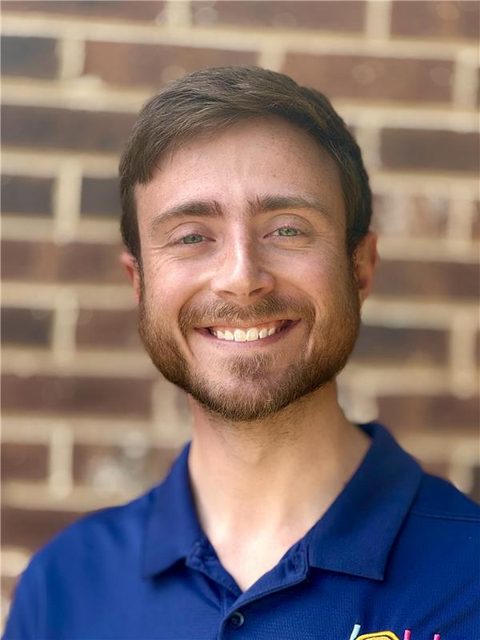
MS, CCC-SLP
Speech Therapy View profile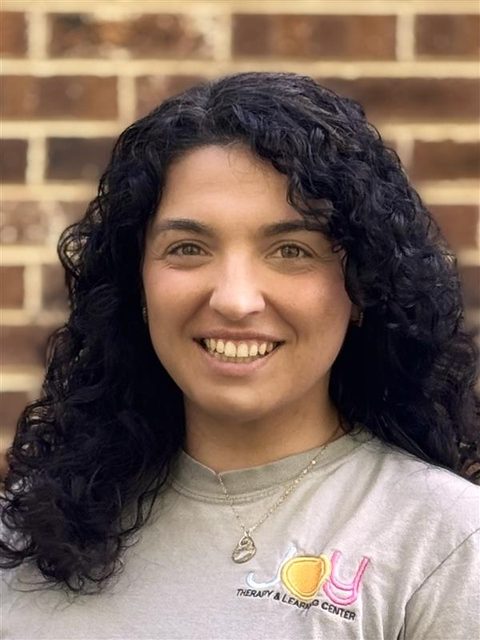
MS, CCC-SLP
Speech Therapy View profile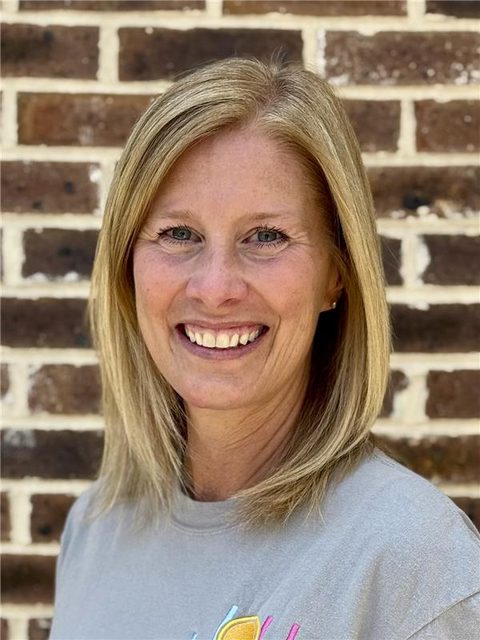
MS, CCC-SLP
Speech Therapy View profileCommon questions
Waiting is sometimes reasonable and sometimes costly, and the difference depends on specifics your pediatrician may not have had time to explore in a well visit. An evaluation is not a commitment to therapy. It is information. If your child is developing typically, a good evaluation will tell you that clearly and you can stop worrying. If they are not, you have started earlier, which consistently matters. Trust your instinct enough to get it checked.
It depends heavily on what is driving the difficulty. Some children with a single sound error finish in a few months. Children with motor planning difficulties or broader language disorders often work for a year or more. Your therapist will give you an honest estimate after the evaluation and will revisit it at each progress review rather than leaving you guessing.
Speech-language pathologists work with autistic children frequently, and communication support is one of the most common services families pursue. The goals are set around what will actually help your child participate and be understood, which may include spoken language, a communication device, or both. We do not treat speech as the only acceptable outcome.
No. This is one of the most persistent worries we hear and the research does not support it. Giving a child a reliable way to communicate tends to be associated with more spoken language over time, not less, and it removes the frustration of being unable to be understood in the meantime.
Yes, with your permission. School-based services and private therapy have different eligibility rules and often different goals, and it helps considerably when the two are coordinated rather than duplicating or contradicting each other.
We work with a range of plans and our administrative team can verify your benefits before you commit to anything. Coverage for speech therapy varies widely between plans, so we recommend confirming specifics for your policy. Call 770-240-0163 and we will check for you.
They are related and often delivered by the same clinician, because both involve the muscles and coordination of the mouth. Feeding therapy addresses eating, drinking and swallowing rather than communication. Some children receive both. You can read more on our oral motor and feeding therapy page.
Delay usually means a child is following the ordinary path of development more slowly. Disorder usually means the pattern itself is unusual rather than late. The distinction matters because it changes the treatment, and it is one of the things an evaluation is meant to settle. In practice we care less about which label fits and more about which specific part of the system is under strain.
From our team
Almost every parent of a quiet toddler has been told to wait and see. Sometimes that is right. Here is how to tell the difference.
Read articleOur licensed occupational therapists help children with physical, sensory or cognitive differences take part in daily life as independently as possible.
Learn about occupational therapyOur licensed physical therapists help each child reach their maximum potential for independent movement and take an active part in home, school and community life.
Learn about physical therapyOur specially trained therapists work with children to enhance their ability to eat safely, comfortably and effectively.
Learn about oral motor and feeding therapyABA uses a data-driven, individualized approach built on positive interactions and engaging learning activities.
Learn about ABA therapyOur intake team can answer your questions, check your insurance benefits and help you work out which service fits.